Rigoni di Asiago
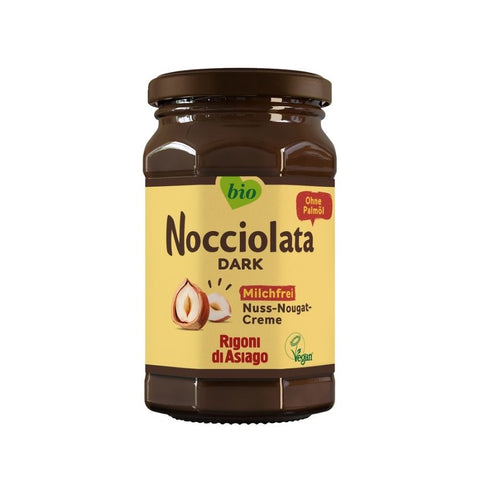
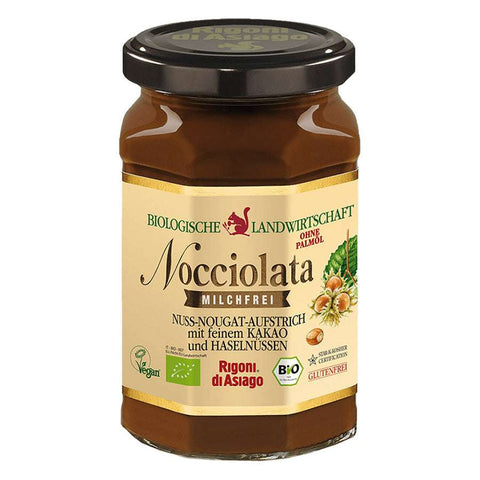
Rigoni di Asiago Nocciolata Crema dairy free organic 700g
11,99 €13,69 €
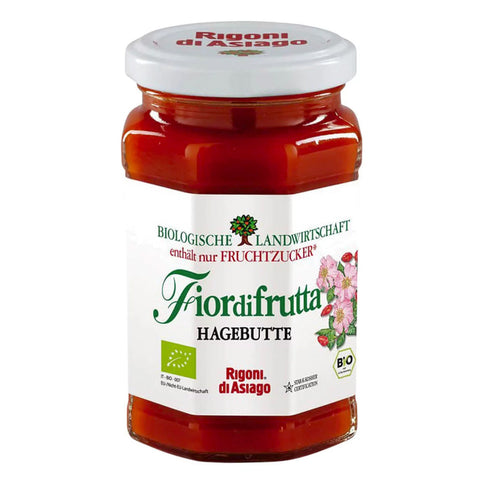
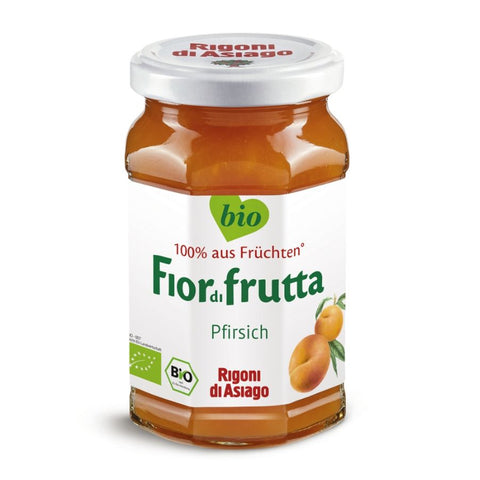
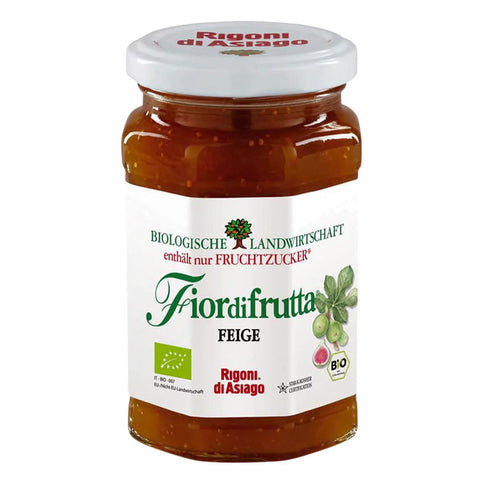
18,45 € / kgRigoni di Asiago products are characterized by their organic quality, the use of high-quality, natural ingredients and the traditional production method. The company attaches great importance to sustainability and avoids artificial additives such as palm oil, colorants and preservatives. The Nocciolata and Fiordifrutta product lines in particular offer intense flavor and a wide selection of variants that can be used both pure and in various recipes.
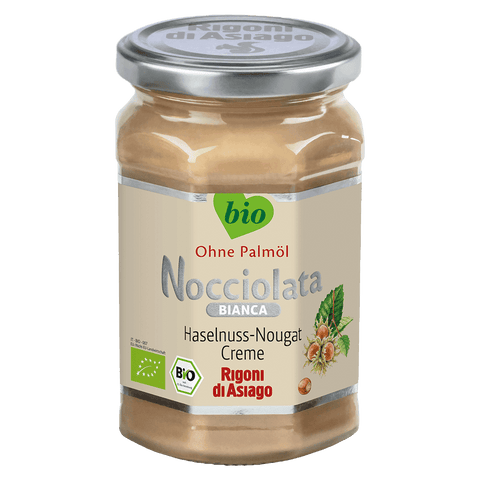
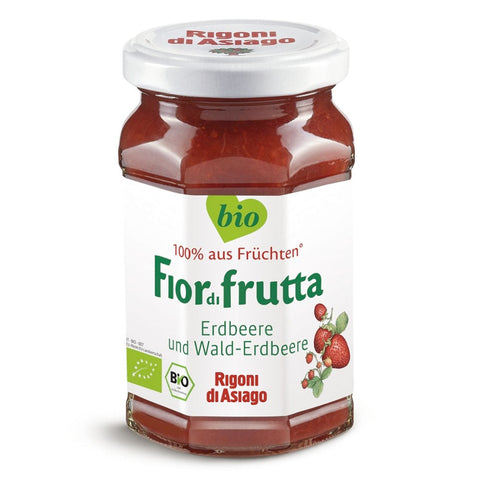
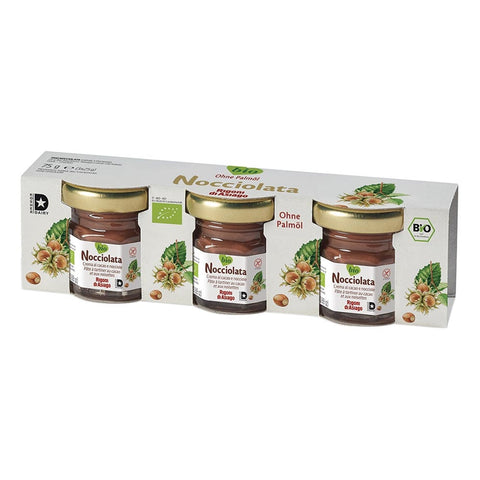
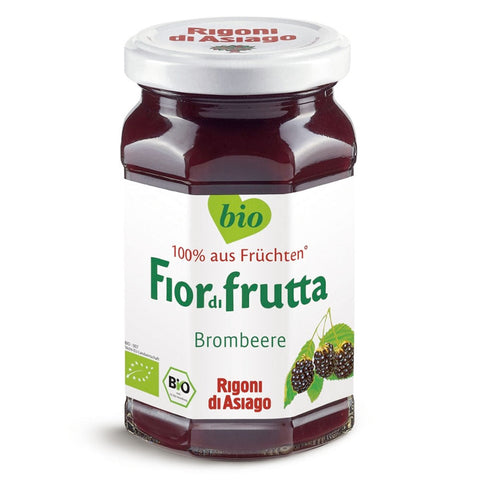
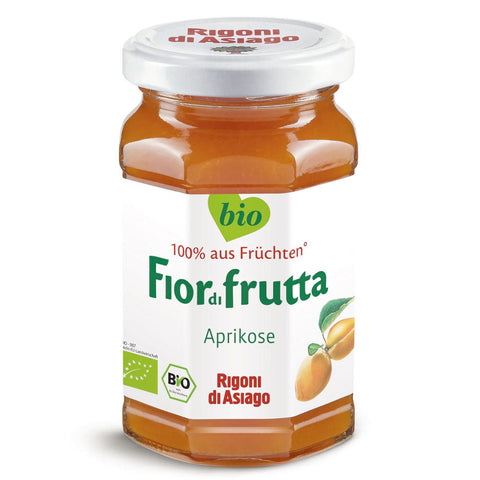
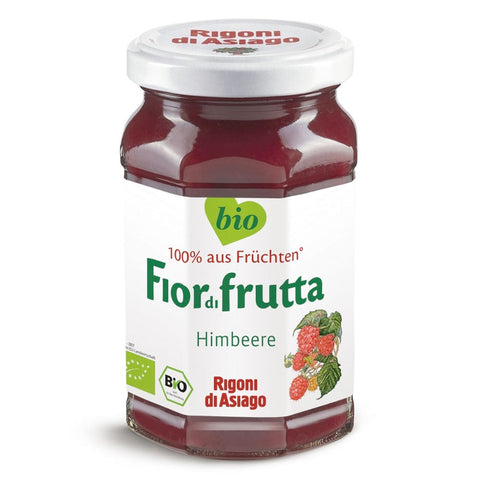
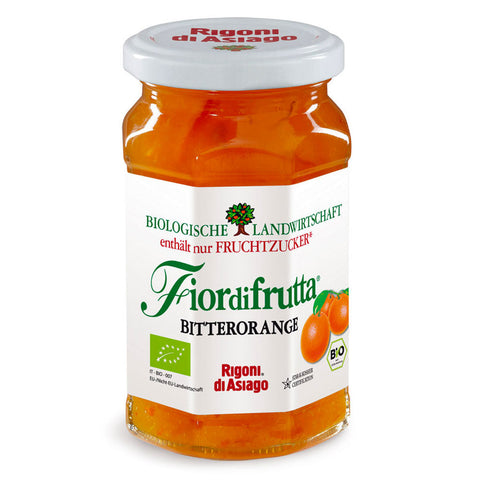
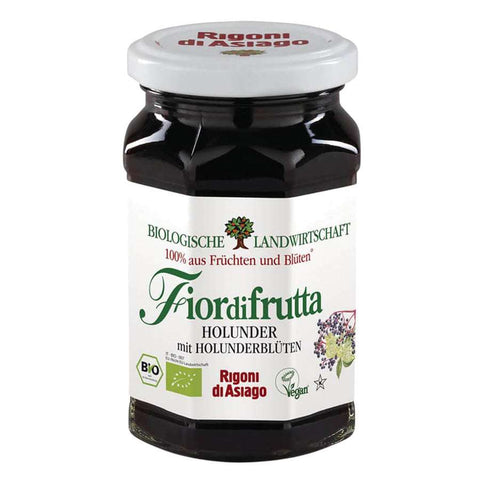
Nocciolata is a creamy hazelnut-chocolate spread made from organic ingredients and available in two versions: classic and Nocciolata Bianca. It contains no palm oil and impresses with its intense flavor and versatility. Fiordifrutta, on the other hand, are organic fruit spreads made from various ripe fruits without added sugar. They offer a wide variety of flavors and are ideal as a spread on bread, for yogurt, desserts and for baking.
Rigoni di Asiago supports sustainability by using organically grown ingredients, environmentally friendly manufacturing processes and avoiding harmful additives such as palm oil. The company is careful to conserve natural resources and relies on sustainable agriculture. Production takes place in accordance with ecological standards, which is reflected in the high quality and naturalness of the products.
Nach der EU-Öko-Verordnung stammen mindestens 95 % der landwirtschaftlichen Zutaten aus ökologischem Anbau. Chemisch-synthetische Pflanzenschutzmittel und Gentechnik sind nicht erlaubt.